
Blogs

Why a Projector is Better Than a TV: A Simple Guide
Are you deciding between a projector and a TV for your home? Many people stick to TVs because they are familiar, but projectors have some...
Are you deciding between a projector and a TV for your home? Many people stick to TVs because they are familiar, but projectors have some amazing advantages that might surprise you. In this blog, we’ll explain why a projector could be the better choice for your entertainment needs. 1. Bigger Screen for Less Money Projectors can give you a massive screen size for a fraction of the cost of a large TV. Imagine watching movies, sports, or playing video games on a 100-inch or bigger screen—it feels like having a theater at home! While TVs over 75 inches are very expensive, projectors make large screens affordable. 2. Better for Your Eyes Watching a projector can be easier on your eyes compared to a TV. Projectors reflect light off a wall or screen, which is softer and more natural than the direct light from a TV. This reduces eye strain, especially during long viewing sessions. 3. Portable and Space-Saving Unlike a TV, a projector is lightweight and easy to move. You can set it up in different rooms or even take it outside for a backyard movie night. Plus, projectors don’t take up as much space because they can be stored away when not in use. 4. Versatility in Screen Size A TV’s screen size is fixed, but with a projector, you can adjust the size to fit your space. Whether you want a smaller screen for a cozy room or a huge screen for a big party, a projector can adapt to your needs. 5. More Immersive Experience With a projector, you can create a cinematic experience right at home. The large screen fills your field of vision, making movies, games, and shows feel more immersive. It’s perfect for families and gatherings. 6. Great for Multi-Purpose Use Projectors aren’t just for watching movies. You can use them for work presentations, photo slideshows, or even video calls. Many modern projectors connect easily to laptops, phones, and gaming consoles. Conclusion While TVs are popular, projectors offer unique benefits like bigger screens, better eye comfort, and portability. If you want to elevate your home entertainment experience, a projector might be the perfect choice for you. Also read: The Ultimate Guide to 4K Mini Projectors

The Best Way to Learn Guitar: A Complete Guide for Beginners
Learning guitar can feel overwhelming, especially with so many methods, courses, and tutorials available. This guide simplifies the process, breaking down the best way to...
Learning guitar can feel overwhelming, especially with so many methods, courses, and tutorials available. This guide simplifies the process, breaking down the best way to learn guitar so you can build a solid foundation and enjoy steady progress. Whether you're a beginner or returning to guitar after a break, this approach will help you make the most of your learning experience. 1. Start with the Basics Before diving into complex chords and songs, it’s essential to understand the basics. Starting simple helps you build a strong foundation and avoid bad habits. Learn Guitar Anatomy: Familiarize yourself with parts of the guitar, including the fretboard, strings, tuners, and body. Understanding your instrument will help you follow tutorials more effectively. Proper Posture and Hand Positioning: Good posture minimizes strain and enhances your control. Practice holding the guitar and positioning your hands correctly on the fretboard. Basic Finger Exercises: Start with basic exercises to build finger strength, flexibility, and coordination. Simple scales and finger drills are great for getting your fingers accustomed to the fretboard. 2. Choose the Right Guitar and Accessories If you’re serious about learning, invest in a guitar that feels comfortable and sounds good. Your choice will depend on your musical goals and budget. Acoustic vs. Electric Guitar: Beginners usually start with acoustic guitars, which don’t require extra equipment. Electric guitars, however, have a lighter touch and may be easier for some learners to handle. Get a Tuner and Picks: A tuner ensures your guitar always sounds right, while picks are essential for strumming and picking. Starting with medium picks helps you get a feel for the guitar before experimenting with other thicknesses. Other Accessories: A comfortable strap, extra strings, and a metronome are helpful accessories. A metronome, in particular, is invaluable for practicing rhythm. 3. Learn Basic Chords and Strumming Patterns Mastering a few basic chords and strumming patterns early on will let you play countless songs. Essential Chords for Beginners: Start with easy chords like G, C, D, and E minor. These open chords are widely used in popular music and are simple to switch between. Practice Strumming Patterns: A good rhythm is crucial for any guitarist. Experiment with basic strumming patterns, like down-down-up-up-down-up, to develop a natural feel for the beat. Chord Transitions: Practice transitioning smoothly between chords, as this skill is essential for playing songs. Start slow and increase speed as you become more comfortable. 4. Develop a Practice Routine Consistency is key when learning guitar. A structured practice routine will keep you on track and ensure steady progress. Set Goals: Set small, achievable goals, like learning a chord each week or mastering a specific strumming pattern. Short, Regular Sessions: Aim for 15-30 minutes of daily practice instead of one long weekly session. This helps build muscle memory and keeps you motivated. Warm-Up Exercises: Begin each session with warm-up exercises to prepare your hands and fingers, such as finger stretches, scales, or light strumming. 5. Use Online Resources and Apps The internet offers a wealth of resources for beginners, from free videos to interactive apps. Here are some options that can enhance your learning experience: YouTube Tutorials: Many guitar instructors offer beginner-friendly tutorials on YouTube, where you can learn songs, techniques, and exercises at your own pace. Guitar Learning Apps: Apps like Fender Play, Yousician, and JustinGuitar offer structured lessons and interactive features, perfect for self-paced learners. Backing Tracks: Practicing with backing tracks helps you play along with music, improving your timing and rhythm skills. 6. Practice Playing Songs You Enjoy Learning songs you love is one of the best ways to stay motivated and have fun while practicing. Start Simple: Choose songs with a few basic chords and a simple rhythm. “Horse with No Name” by America or “Three Little Birds” by Bob Marley are great for beginners. Slow It Down: When learning a song, play it at a slower pace to nail the chord changes and timing. Gradually increase speed as you become more confident. Break It Down: Focus on learning one section at a time, like the intro or chorus, before moving to the next part. This approach makes songs more manageable and less intimidating. 7. Develop Finger Strength and Dexterity Finger strength is essential for playing chords clearly and holding notes without discomfort. Here are a few techniques to build finger strength: Finger Exercises: Practice exercises like the “1-2-3-4” drill, where each finger presses down a fret in sequence. This improves finger independence and strength. Barre Chords Practice: Although challenging, practicing barre chords builds finger strength and allows you to play more complex songs. Scales and Arpeggios: Scales like the pentatonic scale or simple arpeggios help improve dexterity and prepare you for more advanced techniques. 8. Learn to Read Guitar Tabs and Sheet Music Learning to read guitar tabs (tablature) can greatly expand the range of songs you can play, as tabs are widely available online. Understanding Guitar Tabs: Guitar tabs use numbers to indicate fret positions, making them accessible to beginners. Learning to read tabs lets you pick up melodies and riffs more quickly. Reading Chord Charts: Chord charts are visual representations of where to place your fingers. Familiarizing yourself with these charts can speed up your learning process. Consider Sheet Music: If you’re interested in classical or jazz guitar, learning sheet music may be beneficial. Many online courses cover basic music theory, including how to read sheet music. 9. Join a Guitar Community Connecting with others who share your passion for guitar can be motivating and educational. Local Music Schools and Classes: Enroll in group guitar lessons or join a local music class. This structured environment provides regular feedback and lets you play with others. Online Forums and Social Media Groups: Join guitar forums or social media groups where guitarists share advice, tips, and encouragement. Jam with Friends: Jamming with other musicians, even if they’re not guitarists, is a fun way to improve timing, listening skills, and adaptability. 10. Stay Patient and Enjoy the Journey Learning guitar takes time, so be patient with yourself. Progress may feel slow, but every minute of practice counts. Celebrate your achievements, whether it’s playing your first song or mastering a tricky chord. Final Thoughts Learning guitar is a journey that rewards persistence and passion. By starting with the basics, setting up a structured routine, and using resources like tutorials and apps, you’ll find yourself improving steadily. Remember, the best way to learn guitar is to enjoy each step of the process. With dedication and the right approach, you’ll soon be playing your favorite songs and discovering the joy of music-making. Happy strumming! Also Read: How to Tune a Guitar,

Mastering the B Minor Guitar Tab: A Comprehensive Guide for Beginners
If you're learning to play guitar, one of the essential chords you’ll need to know is B Minor. While many beginners find it challenging, once...
If you're learning to play guitar, one of the essential chords you’ll need to know is B Minor. While many beginners find it challenging, once you master it, you'll have unlocked a gateway to countless songs. In this guide, we’ll break down everything you need to know about the B Minor guitar tab, including finger placement, practice tips, and how to incorporate it into your playing. What is the B Minor Chord? The B Minor chord is a barre chord often played in the second position. It’s frequently used in genres ranging from pop and rock to blues and jazz, making it a fundamental chord for any aspiring guitarist. How to Play B Minor on Guitar Step-by-Step B Minor Guitar Tab (2nd Fret) Index Finger (Barre): Place your index finger across all the strings on the second fret. Middle Finger: Place your middle finger on the third fret of the B string. Ring Finger: Place your ring finger on the fourth fret of the D string. Pinky Finger: Place your pinky on the fourth fret of the G string. Strum: Strum from the A string downwards (avoid hitting the low E string). Why is the B Minor Chord Difficult? Many beginners struggle with barre chords because they require strength and precision. In the B Minor chord, your index finger is responsible for pressing down all six strings on the second fret, which can feel awkward and demanding at first. Tips for Practicing B Minor Start with Partial Barre Chords: If a full barre is too challenging, begin by only pressing down part of the strings (like the first 4 strings). Use the Right Thumb Position: Keep your thumb low on the back of the guitar neck for better leverage. Press Firmly: Ensure you apply consistent pressure across all strings, so none of them buzz or sound muted. Daily Practice: Repetition is key. Practice the chord every day to build the required hand strength and muscle memory. Songs that Use the B Minor Chord Once you’ve mastered the B Minor guitar tab, you can start playing numerous songs. Here are a few popular tracks that incorporate B Minor: "Wish You Were Here" – Pink Floyd "Zombie" – The Cranberries "Hotel California" – Eagles Conclusion The B Minor guitar chord may seem difficult at first, but with regular practice and patience, you'll soon be able to play it confidently. Once you’ve mastered the B Minor, you’ll have a versatile chord under your belt, ready to use in a variety of songs. So, pick up your guitar and start practicing this essential chord today! Also Read, Guitar Tuners, Best Way to Learn Guitar
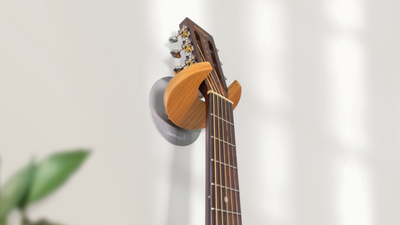
The Ultimate Guide to Guitar Tuners: How to Tune Your Guitar Like a Pro
Whether you're a beginner picking up the guitar for the first time or a seasoned player, tuning your guitar is an essential skill. A welltuned...
Whether you're a beginner picking up the guitar for the first time or a seasoned player, tuning your guitar is an essential skill. A welltuned guitar is the foundation of great sound, and without it, even the best guitarists can sound out of key. Fortunately, tuning your guitar has never been easier thanks to a variety of guitar tuners available today.In this guide, we’ll explore everything you need to know about guitar tuners. From different types of tuners and how they work to tips for tuning your guitar accurately, this blog will equip you with all the knowledge you need to keep your guitar sounding pitchperfect. What Is a Guitar Tuner? A guitar tuner is a device that helps you adjust the pitch of each string on your guitar to ensure that it’s in tune. Since guitars are stringed instruments, the strings need to vibrate at specific frequencies to produce the right notes. A guitar tuner listens to the note you play and tells you whether it's too sharp (higher than the correct pitch) or too flat (lower than the correct pitch), helping you adjust accordingly.There are several types of guitar tuners available, each with its unique features and advantages. Let's dive into the different types of guitar tuners and how they work. Types of Guitar Tuners There are various types of tuners you can use depending on your needs and preferences. Here’s a look at the most common types of guitar tuners: 1. ClipOn Tuners Clipon tuners are incredibly popular, especially among beginners. They clip onto the headstock of the guitar and detect the vibrations of the strings when you pluck them. The tuner then shows whether the note is sharp, flat, or in tune. Since these tuners rely on vibrations rather than sound, they work well even in noisy environments.Pros: Easy to use Portable and convenient Works in loud surroundings Cons: Can be less accurate compared to other types 2. Pedal Tuners Pedal tuners are commonly used by professional guitarists who perform on stage. They are part of a guitarist’s pedalboard and are activated by stepping on them. Pedal tuners mute the guitar’s output while tuning, ensuring that the audience doesn’t hear the tuning process. They offer high accuracy and are favored by electric guitarists.Pros: Very accurate Mutes sound while tuning Ideal for live performances Cons: More expensive Requires power (usually a 9V battery or an adapter) 3. Handheld Tuners Handheld tuners are standalone devices that can be carried in your guitar case or pocket. They work by listening to the sound of the guitar string and indicating whether it’s sharp, flat, or in tune. Some handheld tuners come with builtin microphones, making them versatile for use with both electric and acoustic guitars.Pros: Affordable and portable Can be used with different instruments Cons: Less convenient in noisy environments 4. AppBased Tuners With the advancement of smartphone technology, appbased tuners have become a popular and accessible option for guitarists. These apps use the phone’s microphone to detect the pitch of the guitar string. While convenient, appbased tuners may not be as accurate as dedicated tuners, especially in loud settings.Pros: Free or inexpensive Convenient (can be used anytime, anywhere) Cons: Dependent on microphone quality May not be reliable in noisy environments How to Tune a Guitar Using a Tuner Now that you know the different types of tuners, let’s walk through the basic steps to tune a guitar using a tuner: Step 1: Set the Tuner to Standard Tuning Most tuners have different settings for various tunings, such as standard, drop D, or alternate tunings. Ensure that your tuner is set to standard tuning (E A D G B E), which is the most common tuning for guitars.Step 2: Tune the Low E String (6th String) Start with the thickest string on the guitar, the low E string (6th string). Pluck the string and check the reading on your tuner. If the tuner shows that the note is too sharp, loosen the tuning peg. If the note is too flat, tighten the tuning peg until the tuner indicates that the string is perfectly in tune.Step 3: Tune the A String (5th String) Once the E string is tuned, move on to the next string, the A string (5th string). Repeat the process by plucking the string and adjusting the tuning peg until the tuner shows the correct pitch.Step 4: Tune the Remaining Strings Continue this process for the remaining strings: D string (4th string) G string (3rd string) B string (2nd string) High E string (1st string) Once all six strings are in tune, your guitar is ready to play. Tips for Accurate Tuning Tune in a Quiet Environment: Tuners can be sensitive to surrounding noise, so it's best to tune your guitar in a quiet place to avoid interference. Tune Up, Not Down: When adjusting the tuning pegs, always tune up to the correct pitch rather than down. This prevents the string from becoming too loose and slipping out of tune. Check Tuning Frequently: Strings can go out of tune quickly, especially during live performances or long practice sessions. Make it a habit to check your tuning frequently. Why Tuning Matters Tuning your guitar is essential for several reasons: Improves Sound Quality: A welltuned guitar produces a pleasant and harmonious sound, enhancing your playing experience. Prevents Frustration: Playing an outoftune guitar can be frustrating and demotivating. Proper tuning ensures that you sound great every time you play. Enhances Musical Development: Tuning your guitar trains your ear to recognize the correct pitch, an essential skill for any musician. Conclusion Tuning your guitar is an indispensable part of being a guitarist, whether you're a beginner or a professional. With the variety of tuners available—ranging from clipon and pedal tuners to handheld and appbased options—there’s a tuner that fits your needs and style. Make sure you choose a tuner that works best for you and practice tuning your guitar regularly to ensure you always sound your best.Investing in a quality guitar tuner and developing the habit of tuning before you play will dramatically improve your sound, making your guitarplaying journey much more enjoyable. Also Read: Electric Guitar vs. Acoustic Guitar, How to Tune a Guitar

The Ultimate Guide to Portable Projectors: Your Go-To Device for Entertainment and Business
Portable projectors have revolutionized the way we enjoy media and conduct presentations. Gone are the days when you needed a bulky, stationary projector to display...
Portable projectors have revolutionized the way we enjoy media and conduct presentations. Gone are the days when you needed a bulky, stationary projector to display your favorite movies or important business slides. Today’s portable projectors are compact, easy to use, and packed with features that make them a must-have gadget. Whether you’re a movie enthusiast, a gamer, or a business professional, a portable projector can enhance your experience in numerous ways. What is a Portable Projector? LightBoks The Smart, wood Projector A portable projector is a compact, lightweight device that projects images, videos, or presentations onto a screen or wall. Unlike traditional projectors, portable projectors are designed for easy transport and use in various environments. They come in various sizes, from pocket-sized models to slightly larger ones that still fit easily in a bag or backpack. Why Choose a Portable Projector? Convenience and Portability The primary advantage of a portable projector is its convenience. You can carry it anywhere, set it up in minutes, and start projecting your content. This makes it perfect for on-the-go presentations, impromptu movie nights, or outdoor events. Versatility Portable projectors can connect to a variety of devices, including smartphones, laptops, tablets, and gaming consoles. This versatility allows you to use them for different purposes, from watching movies and TV shows to gaming and business presentations. Quality and Performance Despite their small size, many portable projectors offer excellent image quality and performance. With advancements in technology, you can now find models that provide high resolution, vibrant colors, and good brightness levels, ensuring a great viewing experience. Key Features to Look For When shopping for a portable projector, consider the following features to ensure you get the best device for your needs: Resolution Resolution is crucial for image quality. Look for a projector with at least 720p resolution. For better clarity and detail, opt for a 1080p or higher resolution. Brightness Brightness is measured in lumens. The higher the lumens, the brighter the image. For indoor use in dimly lit rooms, 1000-1500 lumens are sufficient. For outdoor use or well-lit rooms, consider projectors with 2000 lumens or more. Battery Life For true portability, choose a projector with a built-in battery. Check the battery life to ensure it can last through your movie or presentation without needing a recharge. Connectivity Ensure the projector has multiple connectivity options, such as HDMI, USB, and wireless connectivity like Bluetooth or Wi-Fi. This will allow you to connect it to various devices easily. Portability Consider the size and weight of the projector. It should be small and light enough to carry around comfortably. Some models even come with carrying cases for added convenience. Audio Quality Some portable projectors come with built-in speakers. While these may not match the quality of dedicated speakers, they can be handy for quick setups. Alternatively, look for models with audio output options to connect external speakers. Best Uses for Portable Projectors Home Entertainment A portable projector can transform any space into a home theater. Enjoy movies, TV shows, and sports events on a big screen, whether you’re in your living room, bedroom, or backyard. For an immersive experience, pair your projector with a good sound system and a screen. Gaming For gamers, a portable projector offers a large display for an enhanced gaming experience. Connect your gaming console or PC and enjoy your favorite games on a big screen with vivid colors and sharp details. Business Presentations Portable projectors are ideal for business professionals who need to make presentations on the go. They are easy to set up and provide a clear, professional display of slides and videos, making them perfect for meetings, conferences, and client pitches. Education Teachers and educators can benefit from portable projectors by using them to display educational content in classrooms or during field trips. Their portability makes them a versatile tool for enhancing learning experiences. Travel and Camping For those who love to travel or camp, a portable projector can be a great addition to your gear. Enjoy movies under the stars or share your travel photos and videos with friends and family. Tips for Using a Portable Projector Choose the Right Location Select a flat, stable surface to set up your projector. Ensure the area is dark enough to enhance the image quality. If you’re using it outdoors, wait until after sunset for the best viewing experience. Use a Projection Screen While you can project onto any flat surface, a dedicated projection screen will provide the best image quality. If you don’t have a screen, a white wall or a white sheet can work in a pinch. Adjust the Settings Take some time to adjust the projector settings to optimize image quality. This includes focus, keystone correction, and color settings. Each environment may require different adjustments for the best results. Maintain Your Projector Keep your projector clean and dust-free. Follow the manufacturer’s instructions for maintenance and storage to ensure it remains in good working condition. Popular Portable Projector Models Here are a few highly-rated portable projectors that have received positive reviews for their performance and features: LightBoks: The Smart, Wood Projector the world's only wood projector, a masterpiece of Danish design crafted from sustainable materials. Enjoy a giant 180-inch screen in stunning 1080p HD, versatile Smart Flip technology for vertical and horizontal video, and immersive dual stereo sound. Perfect for movies, gaming, and music, this eco-friendly projector combines functionality with unparalleled beauty and craftsmanship. Shop Now Anker Nebula Capsule II Known for its compact size and excellent image quality, the Anker Nebula Capsule II offers 720p resolution, 200 ANSI lumens, and a 2.5-hour battery life. It also features Android TV, providing access to thousands of apps. LG PF50KA The LG PF50KA offers 1080p resolution, 600 ANSI lumens, and up to 2.5 hours of battery life. It supports wireless screen sharing and has built-in webOS for streaming content directly from the projector. ViewSonic M1 Mini Plus The ViewSonic M1 Mini Plus is a pocket-sized projector with 120 lumens and WVGA (854x480) resolution. It has built-in JBL speakers, a built-in battery with up to 2.5 hours of usage, and Wi-Fi connectivity for streaming. Conclusion A portable projector is a versatile, convenient, and powerful tool that can enhance your entertainment and business experiences. By considering key features like resolution, brightness, battery life, and connectivity, you can find the perfect projector to meet your needs. Whether you’re watching a movie at home, presenting at a meeting, or enjoying a game night with friends, a portable projector can make your content shine on the big screen. Investing in a high-quality portable projector will bring you countless hours of enjoyment and make your life a little more convenient. Choose the right model for your needs, and get ready to be amazed by what this compact device can do.Also read: Why a Projector is Better Than a TV: A Simple Guide
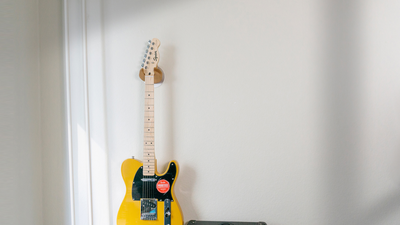
Unleashing the Melodic Potential of Acoustic-Electric Guitars
The acoustic-electric guitar is a marvel in the world of musical instruments, seamlessly blending the warm, rich tones of an acoustic guitar with the amplified...
The acoustic-electric guitar is a marvel in the world of musical instruments, seamlessly blending the warm, rich tones of an acoustic guitar with the amplified power of an electric guitar. Whether you're a seasoned musician or a beginner, the acoustic-electric guitar offers a versatile and dynamic range of sounds that can enhance your musical journey. In this blog, we will delve into the features, benefits, and tips for choosing the right acoustic-electric guitar for you. What is an Acoustic-Electric Guitar? An acoustic-electric guitar is essentially an acoustic guitar equipped with electronic components that allow it to be amplified. This hybrid instrument maintains the traditional body and sound hole of an acoustic guitar but includes pickups, a preamp, and often an onboard equalizer to control the amplified sound. This design enables musicians to enjoy the best of both worlds: the natural resonance of an acoustic guitar and the ability to project their sound to larger audiences without sacrificing quality. Benefits of Acoustic-Electric Guitars Versatility: One of the most significant advantages of an acoustic-electric guitar is its versatility. You can play it acoustically, enjoying the natural, unamplified sound, or plug it into an amplifier or PA system for a louder, more powerful performance. This makes it ideal for various settings, from intimate practice sessions to live concerts. Sound Quality: The built-in electronics of an acoustic-electric guitar are designed to faithfully reproduce the instrument's natural sound when amplified. High-quality pickups and preamps ensure that the tonal characteristics are preserved, providing a clear and rich sound. Convenience: With an acoustic-electric guitar, you no longer need to rely on external microphones for amplification, which can be cumbersome and prone to feedback issues. The onboard electronics streamline the setup process, making it easier to achieve a great sound in any environment. Recording Flexibility: Acoustic-electric guitars offer excellent flexibility for recording. You can record the natural acoustic sound using a microphone or capture the direct signal from the guitar’s output jack. Many musicians use both methods simultaneously to achieve a fuller, more textured recording. Choosing the Right Acoustic-Electric Guitar When selecting an acoustic-electric guitar, several factors should be considered to ensure you find the right instrument for your needs: Body Style and Size: Acoustic-electric guitars come in various body styles and sizes, including dreadnought, concert, jumbo, and parlor. Each style has its unique tonal characteristics and comfort level. For instance, a dreadnought body produces a bold, powerful sound, making it ideal for strumming and flat-picking, while a concert body offers a balanced tone suitable for fingerstyle playing. Tone woods: The choice of toonwoods significantly impacts the sound of an acoustic-electric guitar. Common toonwoods include spruce, cedar, mahogany, and rosewood. Spruce tops are known for their brightness and clarity, while cedar offers a warmer, mellower tone. Mahogany and rosewood are often used for the back and sides, adding depth and resonance to the sound. Electronics: Pay attention to the quality and features of the guitar’s electronics. Look for reputable brands of pickups and preamps, and consider models with onboard tuners and equalizers for greater control over your sound. Some advanced systems even allow you to blend the signal from multiple pickups for enhanced tonal versatility. Playability: The playability of a guitar is crucial, especially for beginners. Ensure that the guitar has a comfortable neck profile, smooth fretboard, and low action (the distance between the strings and the fretboard) to facilitate easy playing. Budget: Acoustic-electric guitars are available in a wide range of prices. Set a budget that aligns with your needs and skill level. While it’s tempting to go for high-end models, there are many affordable options that offer excellent sound and build quality for beginners and intermediate players. Maintenance Tips To keep your acoustic-electric guitar in top condition, follow these maintenance tips: Regular Cleaning: Wipe down the guitar after each use to remove sweat and dirt. Use a soft cloth and guitar-specific cleaning products to keep the finish and hardware in good shape. String Care: Replace strings regularly to maintain optimal sound quality. Clean the strings after playing to extend their lifespan and prevent corrosion. Proper Storage: Store your guitar in a case when not in use to protect it from dust, humidity, and temperature fluctuations. Consider using a humidifier in dry climates to prevent the wood from cracking. Check Electronics: Periodically check the battery and connections of the onboard electronics. Replace the battery as needed and ensure that all components are functioning correctly. Conclusion The acoustic-electric guitar is a versatile and powerful instrument that opens up a world of musical possibilities. Whether you're playing solo, recording in the studio, or performing live, this hybrid guitar offers the perfect blend of acoustic warmth and electric amplification. By understanding its features, benefits, and maintenance needs, you can make an informed decision and enjoy the melodic potential of your acoustic-electric guitar for years to come. also read: 7-String Guitar

Unlock the Magic of the 12-String Guitar: A Comprehensive Guide
The 12-string guitar is a fascinating instrument that brings a rich, full-bodied sound to any musical arrangement. Whether you're a seasoned guitarist or just starting...
The 12-string guitar is a fascinating instrument that brings a rich, full-bodied sound to any musical arrangement. Whether you're a seasoned guitarist or just starting out, this guide will help you understand the unique qualities of the 12-string guitar and how to make the most of its capabilities. What is a 12-String Guitar? A 12-string guitar looks similar to a standard 6-string guitar but has twice the number of strings. These strings are arranged in pairs, with each pair being played together. The result is a lush, chorus-like effect that adds depth and resonance to the music. History of the 12-String Guitar The origins of the 12-string guitar date back to the early 20th century. It gained popularity in the United States among folk and blues musicians. Iconic artists like Lead Belly and Pete Seeger brought the 12-string guitar into the spotlight, showcasing its unique sound in their music. In the 1960s, the 12-string guitar became a staple in rock and folk-rock genres, thanks to bands like The Byrds and The Beatles. Tuning a 12-String Guitar Tuning a 12-string guitar can be a bit more complex than a 6-string guitar. Each pair of strings typically consists of one string tuned to the standard pitch and another tuned an octave higher. The standard tuning for a 12-string guitar is E-A-D-G-B-E, with the lower four pairs (E-A-D-G) tuned in octaves and the top two pairs (B-E) tuned in unison. Playing Techniques Playing a 12-string guitar requires some adjustments in technique:1. Strumming and Picking: The extra strings add a fuller sound, so even simple strumming can create a rich texture. When fingerpicking, it's essential to be precise to ensure both strings in each pair are played together.2. Chord Shapes: Chord shapes on a 12-string guitar are the same as on a 6-string guitar. However, the added tension from the extra strings may require more finger strength.3. Capo Use: Using a capo on a 12-string guitar can create interesting tonal variations. Many guitarists use a capo to change the key of the song while maintaining the rich sound of the instrument. Why Choose a 12-String Guitar? The 12-string guitar offers several benefits:- Rich Sound: The doubled strings create a chorus effect, making the sound fuller and more resonant. - Versatility: It's suitable for various genres, including rock, folk, blues, and even classical music. - Distinctive Tone: The unique sound of the 12-string guitar can make your music stand out. Popular 12-String Guitar Songs Here are a few classic songs that feature the 12-string guitar:- "Hotel California" by The Eagles- "Wish You Were Here" by Pink Floyd- "Stairway to Heaven" by Led Zeppelin- "Turn! Turn! Turn!" by The Byrds Maintenance Tips Maintaining a 12-string guitar requires a bit more attention:- String Replacement: Replace strings regularly to maintain sound quality. It can be a time-consuming process, but it's essential for the instrument's longevity. - Humidity Control: Keep the guitar in a stable environment to prevent warping. Use a humidifier if necessary. - Regular Tuning: Due to the added tension, a 12-string guitar can go out of tune more quickly. Regular tuning is necessary to keep it sounding its best. Choosing the Right 12-String Guitar When shopping for a 12-string guitar, consider these factors:- Body Style: 12-string guitars come in various body styles, including dreadnought, jumbo, and concert. Each style affects the sound and playability. - Wood Type: The type of wood used in the guitar’s construction impacts its tone. Common woods include spruce, mahogany, and rosewood. - Budget: 12-string guitars are available in a range of prices. Set a budget and look for a guitar that offers the best quality within your price range. - Brand and Model: Research reputable brands and models. Some popular 12-string guitar brands include Taylor, Martin, and Guild. Amplifying a 12-String Guitar If you plan to perform live or record, amplifying your 12-string guitar can enhance its sound. Here are some tips:- Pickups: Install a good quality pickup to capture the full range of your guitar’s sound. Options include piezo, magnetic, and microphone pickups. - Amplifiers: Choose an amplifier that complements the natural tone of your 12-string guitar. Acoustic amps are designed to reproduce the nuanced sound of acoustic guitars accurately. - Effects: Experiment with effects like reverb, chorus, and delay to add depth and character to your sound. Tips for Playing the 12-String Guitar To get the most out of your 12-string guitar, keep these tips in mind:- Start Slow: If you're new to the 12-string guitar, take your time to get used to the feel and tension of the extra strings. - Strengthen Your Hands: The added tension can be challenging. Regular practice and finger exercises can help build the necessary strength. - Listen to the Pros: Study recordings of experienced 12-string guitarists to understand different playing styles and techniques. - Be Patient: Learning to play the 12-string guitar can be demanding, but persistence and practice will pay off. Conclusion The 12-string guitar is a beautiful and versatile instrument that can add a unique dimension to your music. Whether you're playing folk ballads or rock anthems, the rich, full sound of a 12-string guitar can enhance your performance and captivate your audience. With proper tuning, playing techniques, and maintenance, you can unlock the magic of this remarkable instrument.Explore the world of 12-string guitars and let your music resonate with its distinctive charm. Whether you're strumming a classic tune or creating your own masterpiece, the 12-string guitar offers endless possibilities for musical expression. Happy playing! Also Read: A Simple Guide to the 7-String Guitar

The Ultimate Guide to 4K Mini Projectors
In the age of technology, the way we consume media has dramatically evolved. Gone are the days when hefty projectors were the only option for...
In the age of technology, the way we consume media has dramatically evolved. Gone are the days when hefty projectors were the only option for enjoying a large screen experience. Enter the 4K mini projector: a compact, powerful device that promises to transform any room into a personal theater. This blog will explore everything you need to know about 4K mini projectors, from their features and benefits to key considerations before making a purchase. What is a 4K Mini Projector? A 4K mini projector is a portable, compact device capable of projecting ultra-high-definition (UHD) content with a resolution of 3840 x 2160 pixels. This resolution delivers crisp, clear images with incredible detail, making it ideal for watching movies, playing video games, or even giving presentations. Despite their small size, these projectors pack a punch in terms of performance and image quality. Key Features of 4K Mini Projectors 1. Resolution and Image Quality - 4K Resolution: Offers four times the detail of Full HD (1080p), providing stunning clarity and vibrant colors. - High Dynamic Range (HDR): Enhances contrast and color accuracy, delivering lifelike visuals. - Lumens and Brightness: Typically range from 500 to 3000 lumens. Higher lumens mean better performance in well-lit environments. 2. Portability and Size - Compact Design: Small enough to fit in a backpack, making it easy to transport. - Lightweight: Often weighing less than a couple of pounds, ideal for travel and on-the-go use. 3. Connectivity Options - HDMI and USB Ports: Allow connection to various devices such as laptops, gaming consoles, and streaming sticks. - Wireless Connectivity: Many models offer Wi-Fi and Bluetooth capabilities for wireless streaming and device pairing. 4. Built-in Features - Speakers: Some come with integrated speakers, though external speakers are recommended for better sound quality. - Battery Life: Models with built-in batteries can offer several hours of viewing on a single charge, perfect for outdoor use. 5. Projection Size and Distance - Throw Ratio: Determines the size of the image based on the distance from the screen. Short-throw projectors can produce large images even when placed close to the screen. - Keystone Correction: Adjusts the image to be rectangular even when the projector is at an angle. Benefits of 4K Mini Projectors 1. Portability: Easily transported from room to room or taken on trips, providing a big-screen experience anywhere. 2. Space-Saving: No need for a large, dedicated projection setup. They can be used in small apartments or compact living spaces. 3. Versatility: Suitable for various uses, including home entertainment, business presentations, and educational purposes. 4. Affordability: While 4K technology used to be expensive, prices have become more accessible, offering excellent value for the quality and features provided. Considerations Before Buying 1. Usage Needs: Determine whether you need it primarily for movies, gaming, or presentations, as this will influence the features you should prioritize. 2. Ambient Light Conditions: Consider the typical lighting of your viewing environment. Higher lumens are better for bright rooms. 3. Sound Quality: Built-in speakers might suffice for casual viewing, but external speakers or sound systems can greatly enhance the experience. 4. Connectivity: Ensure the projector has the necessary ports and wireless capabilities to connect with your devices. 5. Budget: Set a budget that aligns with your needs and the features you prioritize. While prices for 4K mini projectors have become more reasonable, they still vary widely based on capabilities and brand. Setting Up Your 4K Mini Projector 1. Placement: Position the projector at the appropriate distance from the screen or wall based on its throw ratio. 2. Screen Choice: While you can project onto a plain wall, a dedicated projector screen can enhance image quality. 3. Connection: Connect your devices using HDMI, USB, or wireless options. Ensure a stable connection for uninterrupted streaming. 4. Adjustment: Use keystone correction and focus settings to achieve a clear and properly aligned image. Introducing the LightBoks Smart Wood Projector The LightBoks Smart Wood Projector is a revolutionary device that combines beautiful Danish design with top-notch craftsmanship. Made from sustainable, ethically sourced wood, it’s not just a projector but a piece of art. It can project up to a huge 200 inches in 1080p HD resolution (supports 4K) with 300 ANSI Lumens brightness, giving you a truly immersive viewing experience. Its unique Smart Flip technology lets you easily switch between horizontal and vertical views, making it perfect for watching TikTok, YouTube Shorts, and Reels. The LightBoks is portable and streams content from your smartphone or laptop, although it needs to be plugged in to work. It turns any room into a home theater with its built-in dual 2x5 watt stereo sound, providing rich and clear audio without needing extra speakers. Ideal for movie nights, gaming, and even music lessons, it supports various apps and learning tools. Plus, it integrates seamlessly with TV apps for Android and Apple users, giving you access to endless entertainment from services like Netflix, Prime Video, and Disney+. Conclusion 4K mini projectors have revolutionized the way we enjoy media, offering a blend of portability, high-resolution visuals, and versatility. Whether you’re a movie buff, a gamer, or someone who frequently gives presentations, a 4K mini projector can be a valuable addition to your tech arsenal. By understanding their features, benefits, and considerations, you can make an informed decision and choose the perfect projector to meet your needs. Embrace the future of projection technology and bring the cinematic experience home with a 4K mini projector.

A Beginner's Guide: How to Tune a Guitar
Learning to play the guitar is an exciting journey, but before you start strumming away, there's an essential skill you need to master: how to...
Learning to play the guitar is an exciting journey, but before you start strumming away, there's an essential skill you need to master: how to tune a guitar. While it may seem daunting at first, tuning your guitar is fundamental to producing beautiful music. In this guide, we'll walk you through the process step by step, using simple language and clear instructions. Understanding Guitar Tuning Before we dive into the practical steps of tuning your guitar, it's essential to understand the basics of guitar tuning. A standard guitar typically has six strings, which are tuned to specific pitches. From the thickest string to the thinnest, the standard tuning is EADGBE. Each letter represents the name of the note that the string should produce when played open (without pressing down on any frets). Tools You'll Need To tune your guitar accurately, you'll need a few tools: Guitar tuner (either electronic or an app on your smartphone) A quiet environment free from background noise Tuning Process Now, let's get into the practical steps of how to tune a guitar: Start by turning on your guitar tuner and placing it somewhere you can easily see it. Begin with the thickest string (the low E string). Play the string open and observe the tuner's display. It will indicate whether the string is tuned correctly or if it's flat (too low) or sharp (too high). Use the tuning pegs located at the headstock of your guitar to adjust the tension of the string. Turn the peg clockwise to tighten the string (raising the pitch) or counterclockwise to loosen it (lowering the pitch). Continue tuning each string individually, moving from the thickest to the thinnest string. Once you've tuned all six strings, go back and double-check each one to ensure they're still in tune. Guitar strings have a tendency to go out of tune, especially if they're new or if you've been playing vigorously. Tips for Beginners Tuning a guitar can be challenging for beginners, but here are a few tips to help you along the way: Take your time and be patient. Tuning a guitar requires practice, so don't get discouraged if you don't get it right the first time. Use a reference pitch. If you're having trouble tuning by ear, you can use a piano, another tuned instrument, or an online reference to help guide you. Learn to recognize the sound of each string when it's in tune. Developing your ear for pitch will make tuning easier and more intuitive over time. Additional Tips for Tuning Your Guitar Tune Regularly: Make tuning your guitar a regular part of your practice routine. Even if your guitar doesn't sound noticeably out of tune, slight variations can affect the overall sound quality of your playing. Check Intonation: In addition to tuning open strings, it's essential to check the intonation of your guitar. Intonation refers to the guitar's ability to play in tune along the entire fretboard. You can check intonation by playing each string at the 12th fret and comparing the pitch with the open string. If the pitch is off, you may need to adjust the saddle position on your guitar. Understand Tuning Variations: While standard tuning (EADGBE) is the most common tuning for guitars, there are many variations you can explore, such as drop D tuning or open tunings like open D or open G. Each tuning offers a unique sound and can inspire creativity in your playing. Be Gentle with the Tuning Pegs: When tuning your guitar, apply gentle pressure to the tuning pegs. Avoid forcing the pegs too aggressively, as this can lead to over-tightening or breaking the strings. Learn to Tune by Ear: While electronic tuners are convenient and accurate, developing the ability to tune your guitar by ear is a valuable skill for any guitarist. Practice tuning by ear using reference pitches and comparing the sound of each string to the desired pitch. Consider Using a Capo: If you're playing songs that require different keys or chord voicings, a capo can be a useful tool. However, keep in mind that using a capo may require additional adjustments to ensure your guitar remains in tune. Keep Your Guitar Well-Maintained: Regular maintenance, such as changing strings, cleaning the fretboard, and adjusting the truss rod, can help ensure your guitar stays in tune and plays optimally. Use Harmonics for Fine-Tuning: Harmonics are subtle overtones produced by lightly touching the strings at specific points. You can use harmonics to fine-tune your guitar by comparing the harmonic pitch with the fretted note at the same fret. By incorporating these additional tips into your tuning routine, you'll not only improve your ability to keep your guitar in tune but also enhance your overall playing experience. Remember, tuning your guitar is more than just a technical task—it's an opportunity to develop your ear, explore different sounds, and create beautiful music. Enjoy the journey! Conclusion Tuning your guitar is an essential skill that every guitarist must learn. While it may seem challenging at first, with practice and patience, you'll soon be able to tune your guitar confidently and accurately. Remember to use a guitar tuner, take your time, and trust your ears. Happy tuning, and enjoy making beautiful music on your newly tuned guitar! Also Read: How long does it take to learn a Guitar, The Ultimate Guide to Guitar Tuners, the B Minor Guitar Tab

Mastering the Major Scale on Guitar: A Comprehensive Guide
The major scale is the cornerstone of Western music theory and serves as the foundation for countless melodies, chord progressions, and improvisations. For guitarists, understanding...
The major scale is the cornerstone of Western music theory and serves as the foundation for countless melodies, chord progressions, and improvisations. For guitarists, understanding and mastering the major scale unlocks a world of musical possibilities. In this guide, we'll delve into the major scale on guitar, exploring its structure, patterns, and practical applications to help you elevate your playing to new heights. Understanding the Major Scale: Before diving into the fretboard, let's grasp the theory behind the major scale. The major scale follows a specific pattern of intervals, which gives it its distinctive sound. In the key of C major, for example, the scale consists of the following intervals: whole step, whole step, half step, whole step, whole step, whole step, half step (W-W-H-W-W-W-H). Fingering Patterns: On the guitar, the major scale can be played in various positions and patterns, offering flexibility and versatility for different musical contexts. One of the most common patterns is the "three-notes-per-string" approach, where each string contains three consecutive notes of the scale. This pattern facilitates speed and fluidity in playing and is favored by many guitarists for its ergonomic advantages. Practical Applications: Once you've familiarized yourself with the major scale patterns, it's time to explore its practical applications in your playing. Here are a few ways to incorporate the major scale into your guitar journey:1. Melodic Soloing: Use the major scale to create captivating solos that soar over chord progressions. Experiment with different phrasing, dynamics, and techniques to express yourself melodically.2. Chord Construction: Understand how chords are constructed from the major scale's intervals. By harmonizing the scale, you can build chords that complement each other harmonically and melodically, enriching your rhythm playing and songwriting.3. Improvisation: Develop your improvisational skills by navigating through the major scale in real-time. Learn to connect scale patterns seamlessly, explore note relationships, and develop your ear for melodic improvisation.4. Ear Training: Train your ear to recognize the sound of the major scale in various contexts. Practice playing melodies by ear, transcribing solos, and identifying scale degrees within songs to enhance your musical comprehension. Tips for Mastery: As you embark on your journey to master the major scale on guitar, keep the following tips in mind:- Practice Consistently: Dedicate regular practice sessions to mastering scale patterns, fingerings, and applications. Repetition and consistency are key to internalizing the scale and developing muscle memory.- Start Slowly: Begin practicing the major scale at a comfortable tempo, focusing on accuracy and clarity in your playing. Gradually increase speed as you gain confidence and fluency.- Experiment Creatively: Don't be afraid to experiment with the major scale in different contexts and genres. Explore its versatility by incorporating bends, slides, and other techniques to infuse your playing with personality and expression. Conclusion: The major scale is a fundamental element of guitar playing that holds immense potential for musical expression and creativity. By understanding its structure, patterns, and practical applications, you can unlock a world of possibilities on the fretboard. Whether you're a beginner seeking to build a solid foundation or an experienced guitarist looking to expand your musical horizons, mastering the major scale is a worthwhile endeavor that will enrich your playing and deepen your understanding of music. So, pick up your guitar, dive into the world of the major scale, and let your creativity soar. Happy playing! Also Read: Best Acoustic Guitar, How to tune a Guitar, The Ultimate Guide to 4K Mini Projectors

Unveiling the Best Acoustic Guitar: Your Ultimate Guide
Are you in search of the perfect acoustic guitar that suits your style and budget? With an abundance of options flooding the market, finding the...
Are you in search of the perfect acoustic guitar that suits your style and budget? With an abundance of options flooding the market, finding the right one can be overwhelming. Fear not! In this guide, we'll navigate through the realm of acoustic guitars, highlighting key factors to consider and presenting some of the finest options available. 1. Understanding Your Needs: Before delving into the world of acoustic guitars, it's crucial to identify your requirements. Are you a beginner seeking a reliable instrument to kickstart your musical journey? Or perhaps you're an experienced player looking to upgrade to a higher-quality model? Understanding your needs will steer you towards the most suitable choice. Also Read: How many strings does a guitar have? 2. Quality of Construction: A superior acoustic guitar is crafted with precision and attention to detail. Look for solid wood construction, which offers better resonance and tonal richness compared to laminates. Spruce, cedar, and mahogany are popular choices for the top wood, each imparting distinct sonic characteristics. Additionally, inspect the craftsmanship, ensuring the frets are well-aligned, and the neck is comfortable to play. 3. Tonal Profile: Every acoustic guitar possesses a unique tonal profile, influenced by factors such as wood type, body shape, and bracing pattern. Dreadnought guitars produce robust, booming sounds, ideal for strumming and accompaniment. On the other hand, concert and auditorium-style guitars offer balanced tonal output, suitable for a variety of playing styles. Consider experimenting with different body shapes to discover the tone that resonates with you. 4. Playability: The playability of an acoustic guitar significantly impacts the overall experience. A comfortable neck profile, smooth fretboard, and appropriate string action facilitate ease of playing, allowing you to effortlessly navigate chords and melodies. Test-drive multiple guitars to find one that feels natural and responsive to your touch. 5. Electronics (Optional): If you intend to perform on stage or record your music, opting for an acoustic-electric guitar equipped with built-in electronics is advisable. These systems typically include pickups and preamps, enabling you to amplify your sound without compromising its integrity. Ensure the electronics deliver clear, natural tones and offer convenient controls for adjusting volume and tone.Now that we've covered the essential factors to consider, let's explore some top contenders in the realm of acoustic guitars: 1. Martin D-28: Revered for its timeless design and exceptional sound quality, the Martin D-28 remains a favorite among musicians worldwide. Featuring a solid spruce top, rosewood back and sides, and forward-shifted X-bracing, this dreadnought guitar delivers unparalleled resonance and projection.2. Taylor 214ce: Renowned for their innovative designs and impeccable craftsmanship, Taylor guitars are synonymous with excellence. The 214ce, part of Taylor's esteemed Grand Auditorium series, boasts a solid Sitka spruce top, layered rosewood back and sides, and Taylor's signature Expression System 2 electronics, ensuring stellar amplified performance.3. Gibson J-45: With its rich history and iconic sound, the Gibson J-45 is a testament to the brand's legacy of quality and innovation. Characterized by its warm, balanced tone and comfortable round-shoulder design, this acoustic legend is a favorite among singer-songwriters and blues aficionados alike.4. Yamaha FG800: For those seeking exceptional value without compromising on quality, the Yamaha FG800 is an excellent choice. This dreadnought guitar features a solid spruce top, nato/okume back and sides, and Yamaha's renowned craftsmanship, delivering a rich, articulate sound at an affordable price point.5. Seagull S6 Original: Handcrafted in Canada using premium materials, the Seagull S6 Original embodies uncompromising quality and playability. Boasting a pressure-tested cedar top, wild cherry back and sides, and a comfortable tapered neck profile, this guitar offers a warm, balanced tone with excellent projection and clarity. In conclusion, finding the best acoustic guitar involves careful consideration of factors such as construction quality, tonal profile, playability, and optional features like electronics. Whether you're drawn to the timeless allure of a Martin D-28 or the innovative design of a Taylor 214ce, the perfect instrument awaits you on your musical journey. Happy strumming!

Mastering Guitar String Names: A Beginner's Guide
Learning to play the guitar is an exciting journey filled with discovery and creativity. However, before diving into chords and melodies, it's essential to familiarize...
Learning to play the guitar is an exciting journey filled with discovery and creativity. However, before diving into chords and melodies, it's essential to familiarize yourself with the basics, including the names of the guitar strings. In this beginner's guide, we'll explore the fundamentals of guitar string names, their significance, and tips for mastering them. Understanding the Anatomy of a Guitar: Before delving into the string names, let's take a moment to understand the basic structure of a guitar. A typical guitar consists of six strings, each producing a different pitch when plucked or strummed. These strings are stretched along the length of the guitar's neck and are tuned to specific notes. The Standard Tuning: The standard tuning for a guitar is EADGBE, with each letter representing the name of a string when played open (without pressing down any frets). Starting from the thickest string to the thinnest, the string names are as follows:1. E String (6th String): The thickest string on the guitar is the low E string. When played open, it produces the lowest pitch among all the strings.2. A String (5th String): Moving towards the thinner strings, the next string is the A string. When played open, it produces a pitch higher than the E string.3. D String (4th String): Following the A string is the D string. It produces a higher pitch than the A string when played open.4. G String (3rd String): The next string in line is the G string. It produces an even higher pitch when played open.5. B String (2nd String): Moving towards the thinnest strings, we have the B string. It produces a higher pitch compared to the G string.6. High E String (1st String): Finally, the thinnest string on the guitar is the high E string. When played open, it produces the highest pitch among all the strings. Mnemonic Devices for Remembering String Names: For beginners, remembering the names of the guitar strings can be challenging at first. However, mnemonic devices can make the process easier. Here are a few popular mnemonics:- Eddie Ate Dynamite, Good Bye Eddie: Each word represents the first letter of the string names in order (E, A, D, G, B, E). - Every Acid Dealer Gets Busted Eventually: Another mnemonic using the first letter of each string name. Importance of Learning Guitar String Names: Understanding and memorizing the names of the guitar strings is crucial for several reasons:1. Tuning: Knowing the string names is essential for tuning your guitar accurately. Whether using a tuner or tuning by ear, recognizing the string names helps ensure each string is tuned to the correct pitch.2. Chord Formation: When learning chords, knowing the string names helps in understanding chord diagrams and finger positioning. It allows you to navigate the fretboard more effectively and play chords with precision.3. Communication: Whether discussing guitar techniques with other musicians or seeking guidance from instructors, knowing the string names facilitates clear communication within the guitar community. Practical Tips for Memorizing String Names: Memorizing the names of the guitar strings may take some time and practice. Here are a few tips to help you master them:1. Repetition: Practice saying the string names aloud while tuning your guitar or during practice sessions.2. Visual Aids: Utilize diagrams or charts that display the string names and their corresponding pitches.3. Incorporate Them Into Practice: As you learn new chords or songs, refer to the string names regularly. Visualize the strings as you play to reinforce your memory.4. Create Mnemonics: Develop mnemonic devices or word associations to aid in memorization. Conclusion: Mastering the names of the guitar strings is a fundamental step in your journey as a guitarist. By understanding the string names and their significance, you'll not only enhance your ability to play the guitar but also improve your overall musical comprehension. With patience, practice, and the tips provided in this guide, you'll soon become fluent in navigating the fretboard and creating beautiful music. Happy strumming! Also Read: A Beginner's Guide to Acoustic Guitars