
ブログ

The Maestros of Melody: Exploring the Greatest Guitar Players of All Time
The history of music is adorned with virtuosos who have elevated the guitar from a mere instrument to a vessel of raw emotion and boundless...
The history of music is adorned with virtuosos who have elevated the guitar from a mere instrument to a vessel of raw emotion and boundless creativity. These legendary players have not only shaped genres but have also inspired countless musicians to pick up the guitar and embark on their own musical journeys. Let's delve into the lives and fascinating facts of some of the greatest guitar players of all time. 1. Jimi Hendrix: Jimi Hendrix, the pioneer of psychedelic rock, revolutionized the way the guitar was played and perceived. His innovative use of feedback, distortion, and whammy bar techniques reshaped the sonic landscape of the 1960s. Interestingly, Hendrix was left-handed but played a right-handed guitar flipped upside down, contributing to his unique sound and style. Tracks like "Purple Haze" and "Voodoo Child" stand as timeless testaments to his genius. 2. Eric Clapton: Often dubbed "Slowhand," Eric Clapton's journey from blues prodigy to rock icon is nothing short of remarkable. One of the interesting facets of Clapton's career is his contribution to multiple legendary bands, including The Yardbirds, Cream, and Derek and the Dominos. Despite battling personal demons, Clapton's passion for the guitar never wavered, cementing his status as a true guitar legend. 3. Jimmy Page: As the visionary guitarist of Led Zeppelin, Jimmy Page's mystical riffs and virtuosic solos captivated audiences worldwide. Beyond his musical prowess, Page was also a skilled producer, shaping the sound of numerous iconic albums, including Led Zeppelin's self-titled debut. His fascination with the occult and symbolism further added layers of intrigue to his persona, earning him a place among rock royalty. 4. B.B. King: The undisputed "King of the Blues," B.B. King's soulful playing and emotive vocals transcended musical boundaries. One fascinating fact about King is his beloved guitar, Lucille, whose name originated from a near-fatal incident. King risked his life to save his guitar from a nightclub fire, later discovering that the fight that broke out was over a woman named Lucille. The name stuck, becoming synonymous with his legendary instrument. 5. Stevie Ray Vaughan: Stevie Ray Vaughan's electrifying performances and searing blues licks brought the genre back into the spotlight in the 1980s. Despite his meteoric rise to fame, Vaughan remained humble and grounded, often crediting his musical influences and Texas roots for shaping his sound. Tragically, Vaughan's life was cut short in a helicopter crash at the peak of his career, leaving behind a legacy that continues to inspire generations of guitarists. 6. Eddie Van Halen: With his innovative tapping technique and blistering solos, Eddie Van Halen forever changed the landscape of rock guitar. Van Halen's quest for sonic experimentation led him to build his own guitars and amplifiers, pushing the boundaries of what was possible with the instrument. Beyond his technical wizardry, Van Halen's infectious smile and boundless energy endeared him to legions of fans around the world. 7. Django Reinhardt: Django Reinhardt's unparalleled talent and improvisational prowess made him a legend in the world of jazz guitar. Despite being severely injured in a fire that paralyzed two fingers on his left hand, Reinhardt developed a unique playing style that emphasized his remaining digits' dexterity and speed. His collaboration with violinist Stéphane Grappelli in the Quintette du Hot Club de France produced some of the most celebrated recordings in jazz history. 8. Carlos Santana: Carlos Santana's fusion of Latin rhythms, blues, and rock propelled him to international superstardom in the late 1960s. Santana's spiritual journey and embrace of his Mexican heritage deeply influenced his music, imbuing it with a sense of spirituality and cultural richness. An interesting fact about Santana is his belief in the power of music as a healing force, leading him to establish the Milagro Foundation, which supports underprivileged children worldwide through music education. 9. Slash: With his trademark top hat and effortless swagger, Slash became the epitome of rock 'n' roll excess in the 1980s and 1990s. A lesser-known fact about Slash is his affinity for animals, particularly snakes. He often incorporated live snakes into his stage performances, further enhancing his mystique and reputation as a rock icon. 10. Keith Richards: As the rhythmic backbone of The Rolling Stones, Keith Richards' gritty guitar playing and rebellious persona have made him an enduring symbol of rock 'n' roll rebellion. Despite his tumultuous lifestyle, Richards remains a dedicated musician, constantly seeking new creative outlets and collaborations. An interesting tidbit about Richards is his love for open tunings, which he often employs to achieve the distinctive sound heard in many Stones classics. In conclusion, the legacies of these guitar gods continue to resonate with audiences worldwide, their influence extending far beyond the realms of music. Whether it's the soulful blues of B.B. King, the electrifying solos of Eddie Van Halen, or the mystical riffs of Jimmy Page, their contributions to the world of guitar playing are immeasurable, ensuring their place among the pantheon of musical greats. Also Read: How Long Does It Really Take to Learn Guitar?

Mastering the Guitar: How Long Does It Really Take?
Learning to play the guitar is a journey filled with excitement, challenges, and ultimately, rewarding moments of musical accomplishment. However, one of the most common...
Learning to play the guitar is a journey filled with excitement, challenges, and ultimately, rewarding moments of musical accomplishment. However, one of the most common questions among beginners is, "How long does it take to learn guitar?" The answer, as with many things in life, is not straightforward. It depends on various factors such as your dedication, practice routine, natural aptitude, and the level of proficiency you aim to achieve. Let's delve deeper into this intriguing question.Firstly, it's essential to understand that learning guitar is a gradual process that unfolds over time. You won't transform into a guitar virtuoso overnight, but with consistent effort and the right approach, you can make significant progress. The timeline for mastering the guitar can vary widely from person to person, but there are some general guidelines to consider. Foundational Skills (0-3 months): In the initial stages, you'll focus on building fundamental skills such as holding the guitar correctly, understanding basic chords, and developing coordination between your hands. With regular practice (ideally, at least 30 minutes to an hour each day), you can expect to strum your first simple songs within a few weeks. Don't get discouraged by mistakes; they're a natural part of the learning process. Basic Proficiency (3-6 months): As you gain confidence and familiarity with the instrument, you'll progress to more complex chords, basic scales, and simple picking patterns. Around the three to six-month mark, you should be able to play a variety of songs with basic strumming and chord changes. This stage requires consistent practice and patience as you refine your technique and expand your repertoire. Intermediate Level (6 months - 1 year): After six months to a year of dedicated practice, you'll notice significant improvement in your playing ability. You'll delve deeper into music theory, learning about scales, chord progressions, and rhythm patterns. This is also the time to explore different playing styles and techniques, such as fingerpicking and barre chords. With continued practice and perseverance, you'll be able to tackle more challenging songs and even start writing your own music. Also Read: 10 Best guitar players of all time Advanced Skills (1 year and beyond): Beyond the one-year mark, your progress will depend on your goals and commitment to practice. Advanced techniques like improvisation, advanced fingerstyle, and soloing require years of dedicated practice to master. Many guitarists spend a lifetime refining their skills and exploring new musical horizons. Remember, the journey of learning guitar is ongoing, and there's always something new to discover and learn. Also read: A Beginner's Guide to Acoustic Guitars Factors Affecting Learning Time: While these timelines provide a general roadmap, several factors can influence how quickly you progress in your guitar journey: 1. Practice Consistency: Regular, focused practice is essential for skill development. Aim for daily practice sessions and set specific goals to keep yourself motivated. 2. Quality of Practice: It's not just about the quantity of practice but also the quality. Focus on efficient practice techniques, such as breaking down challenging passages into smaller parts and practicing them slowly before gradually increasing speed.3. Natural Ability: Some individuals may have a natural inclination for music and may progress more quickly than others. However, don't let this discourage you—hard work and dedication can compensate for lack of innate talent.4. Instruction and Guidance: Whether through private lessons, online tutorials, or self-teaching methods, receiving guidance from experienced guitarists can accelerate your learning process by providing valuable feedback and direction.5. Patience and Persistence: Learning any new skill requires patience and resilience. Embrace the inevitable setbacks and challenges along the way as opportunities for growth and improvement.In conclusion, the time it takes to learn guitar varies from person to person and depends on various factors. While some may achieve basic proficiency within a few months, mastering the instrument is a lifelong journey that requires dedication, passion, and perseverance. Enjoy the process, celebrate your progress, and remember that every moment spent playing the guitar is an enriching experience in itself. So pick up your guitar, embrace the challenges, and let the music guide you on your journey of self-discovery and creativity.

Unleashing the Awesome: A Simple Guide to the 7-String Guitar
Greetings music enthusiasts! If you're curious about the 7-string guitar, you're in for a treat. In this blog post, we'll break down the basics of...
Greetings music enthusiasts! If you're curious about the 7-string guitar, you're in for a treat. In this blog post, we'll break down the basics of this fantastic instrument. From why it has an extra string to how it can elevate your musical journey, we've got you covered. Whether you're a newbie or a seasoned strummer, let's dive into the world of the 7-string guitar together. What Sets the 7-String Guitar Apart? So, what's the deal with the 7-string guitar? Well, it's like your regular guitar, but it rocks an extra string! That extra string adds a whole new dimension to your playing, giving you a broader range of sounds. It's like upgrading from black and white to color in the world of music. The 7-string guitar is especially famous for making genres like rock and metal sound seriously cool. Finding Your Perfect 7-String Guitar Picking a 7-string guitar may seem daunting, but it's not rocket science. There are different shapes and sizes, so you can choose one that feels just right for you. Whether you dig the modern look of an Ibanez or the classic vibe of an ESP, there's a 7-string guitar waiting to become your musical sidekick. Playing Around with Different Tunings Now comes the fun part – tinkering with tunings! Tuning is like adjusting the knobs on your radio until you find that perfect station. With a 7-string guitar, you can experiment with various tunings to create your unique sound. Some like it low and heavy, while others prefer a lighter, melodic feel. The best part? There's no right or wrong – just go with what feels good to your ears. Tips for Mastering the 7-String Guitar Alright, you've got your hands on a 7-string guitar, and now it's time to play. It might feel a bit strange at first, but don't worry – that's totally normal. Take it slow, practice your finger movements, and soon you'll be jamming like a pro. Try different strumming and picking techniques to find your groove. Remember, it's all about enjoying the process and making awesome music. Where the 7-String Guitar Shines This guitar isn't just for show – it's a star, especially in certain types of music. Ever heard of metal or rock? The 7-string guitar is like the superhero in those genres, adding power and intensity to your sound. But here's the cool part – you can use it in all kinds of music. Its versatility makes it a great companion for exploring different styles and creating your signature sound. Conclusion In a nutshell, the 7-string guitar is your ticket to a musical adventure filled with awesome sounds. Whether you're just starting or already strumming away, exploring the world of the 7-string guitar is a journey worth taking. So, grab your guitar, have some fun, and let that extra string bring a whole new dimension to your musical experience! also read: How many strings does a guitar have?, Guitar string names, 12 string guitar

Strumming the Strings: A Beginner's Guide to Acoustic Guitars
Welcome to the melodious world of acoustic guitars, where the enchanting notes and rhythmic strums create a symphony of emotions. Whether you're a seasoned player...
Welcome to the melodious world of acoustic guitars, where the enchanting notes and rhythmic strums create a symphony of emotions. Whether you're a seasoned player or a budding enthusiast, the beauty of the acoustic guitar is undeniable. In this blog, we'll explore the wonders of acoustic guitars in simple language, helping you appreciate the instrument and understand why a reliable wall mount is crucial for your musical companion. The Heart of the Music: Understanding Acoustic Guitars Acoustic guitars are like the storytellers of the musical realm. Unlike their electric counterparts, they don't rely on amplifiers or fancy gadgets to produce sound. The magic happens right within the guitar itself. A soundboard, usually made of wood, vibrates as the strings are plucked, creating the sweet sound that captivates audiences worldwide. Choosing Your Companion: Types of Acoustic Guitars Before we delve into the importance of a wall mount, let's briefly explore the different types of acoustic guitars. There are steel-string guitars and classical guitars, each with its unique sound. Steel-string guitars are versatile and commonly used in various genres, while classical guitars produce a warm, mellow tone ideal for classical and flamenco music. Caring for Your Musical Friend: Guitar Maintenance Tips Now that you've chosen your acoustic companion, it's crucial to keep it in top-notch condition. Simple maintenance routines, such as regular tuning, cleaning, and avoiding extreme temperatures, can significantly extend the life of your guitar. A well-maintained guitar not only sounds better but also feels more comfortable to play. The Importance of a Secure Resting Place: Why Use a Wall Mount? Your acoustic guitar deserves a safe and secure home when not in use. Enter the wall mount – a simple yet essential accessory for any guitar owner. Mounting your guitar on the wall not only showcases its beauty but also protects it from potential accidents. Wall mounts keep your guitar out of harm's way, away from curious hands or accidental knocks. Preserving Aesthetics: Displaying Your Guitar with Pride Acoustic guitars, with their elegant curves and natural finishes, are a visual treat. A well-designed wall mount complements the aesthetic appeal of your guitar, turning it into a piece of art on your wall. Showcasing your instrument proudly not only adds character to your space but also encourages you to pick it up more often. Space Efficiency: Making Room for Creativity Wall mounts aren't just about aesthetics; they're also practical. By hanging your guitar on the wall, you free up valuable floor space. This is especially beneficial for those living in smaller spaces or apartments. A clutter-free environment not only looks good but also provides you with a more comfortable and inspiring space to play your music. Easy Accessibility: Ready to Play Anytime Imagine the joy of having your guitar within arm's reach whenever inspiration strikes. Wall mounts provide easy accessibility, allowing you to grab your guitar and start playing without the hassle of opening cases or searching for a suitable spot. The convenience of having your instrument readily available encourages regular practice and fosters a deeper connection with your music. Choosing the Right Wall Mount: A Quick Guide When selecting a wall mount for your acoustic guitar, consider factors like sturdiness, material, and ease of installation. Look for mounts designed specifically for acoustic guitars to ensure a secure fit. Soft padding on the mount helps protect your guitar's finish, preventing scratches and dings. Choose a location on your wall that's easily accessible and enhances the overall ambiance of your space. Conclusion: Harmonizing Your Space with Acoustic Brilliance As we conclude our journey into the world of acoustic guitars, it's evident that these instruments are not just pieces of wood and strings; they are conduits of emotion and creativity. By choosing the right wall mount, you're not only protecting your musical investment but also enhancing the beauty of your living space. So, let your acoustic guitar resonate not only through its strings but also through the walls that proudly display its elegance.Embrace the harmonious connection between music and aesthetics, and let your acoustic guitar be a testament to the melody of life. Happy strumming!
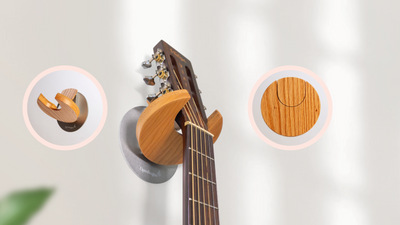
Crafted Elegance: The Art of Wooden Guitar Stands
In the world of music, where every note holds a story and every chord resonates with emotion, the choice of equipment becomes more than a...
In the world of music, where every note holds a story and every chord resonates with emotion, the choice of equipment becomes more than a matter of utility – it becomes an expression of the artist's personality and style. Among the essential accessories for any guitarist, the guitar stand often takes center stage. While functionality is crucial, the aesthetics and craftsmanship of the stand can elevate it from a mere support to a piece of art. also read: Best Acoustic Guitar In this blog, we delve into the world of wooden guitar stands, exploring their charm, benefits, and the timeless elegance they bring to the stage or studio. The Functional Elegance of Wooden Guitar Stands At first glance, a wooden guitar stand might seem like a simple accessory, merely serving the purpose of holding the instrument securely. However, upon closer inspection, one can appreciate the functional elegance that a wooden stand brings to the table. 1. Stability and Durability: The natural properties of wood provide a sturdy and robust foundation for your prized guitar. Unlike some metal or plastic stands that might succumb to wear and tear over time, a well-crafted wooden stand can withstand the test of time. The durability of wood ensures that your guitar remains safely cradled, whether it's a vintage acoustic or a sleek electric model. 2. Acoustic Benefits: Wood is known for its acoustic properties, and this extends to wooden guitar stands as well. While the impact might be subtle, a wooden stand can contribute to the overall resonance and tonal quality of your guitar. The absence of metallic components reduces the chances of unwanted vibrations or interference that can affect your instrument's sound. 3. Visual Appeal: Beyond functionality, the visual appeal of a wooden guitar stand is unparalleled. Crafted from various types of wood such as mahogany, walnut, or maple, these stands exude warmth and sophistication. The natural grain patterns and rich hues of the wood add a touch of elegance to any space, turning a mere support structure into a visual statement. The Artisan's Touch: Craftsmanship and Design What sets wooden guitar stands apart is the craftsmanship involved in their creation. Unlike mass-produced metal or plastic stands, wooden stands often bear the mark of skilled artisans who pour their passion for woodworking into each piece. 1. Customization: Wooden guitar stands offer a level of customization that is hard to achieve with other materials. Artisans can shape and mold the wood to create unique and personalized designs. Whether you prefer a classic, minimalist look or intricate detailing inspired by nature, a wooden stand can be tailored to match your individual style. 2. Handcrafted Precision: The precision and attention to detail that go into crafting a wooden guitar stand are unparalleled. From carefully selecting the wood to the meticulous sanding and finishing processes, each step is a testament to the artisan's commitment to excellence. Handcrafted wooden stands often showcase joinery techniques that not only enhance structural integrity but also add an artistic flair. 3. A Sustainable Choice: As the world becomes increasingly conscious of environmental impact, many guitarists appreciate the sustainability of wooden stands. Responsibly sourced wood ensures that the manufacturing process has a minimal ecological footprint. Choosing a wooden stand becomes not just a nod to craftsmanship but also a commitment to supporting eco-friendly practices in the music industry. The Marriage of Form and Function One of the most captivating aspects of wooden guitar stands is the seamless integration of form and function. These stands go beyond being mere accessories; they become an extension of the instrument they hold. 1. Enhancing the Display: A beautifully crafted wooden guitar stand is more than just a utilitarian object; it's a display piece that complements the aesthetic of your guitar. Placing your instrument on a wooden stand turns it into a work of art, creating a visually harmonious ensemble that can be appreciated even when not in use. 2. Creating an Atmosphere: The warm tones of wood contribute to the creation of a cozy and inviting atmosphere in any music space. Whether you're performing on stage or recording in a studio, the wooden stand becomes an integral part of the environment, enhancing the overall ambiance. 3. Inspiring Creativity: The connection between a musician and their instrument is deeply personal. A wooden guitar stand, with its artisanal charm and individuality, can inspire creativity and passion. It becomes a visual cue that sets the stage for a profound musical experience, encouraging the guitarist to explore new melodies and push the boundaries of their art. Conclusion In the world of musical accessories, the choice of a guitar stand might seem like a minor decision, but for many musicians, it's an opportunity to make a statement. The wooden guitar stand, with its functional elegance, artisanal craftsmanship, and timeless appeal, stands as a testament to the marriage of form and function in the world of music.Choosing a wooden guitar stand is not just about finding a secure place for your instrument; it's about investing in a piece of art that reflects your passion for music. As you set your guitar on a carefully crafted wooden hanger, you're not just showcasing your instrument – you're celebrating the artistry that goes into creating music, one note at a time.

Unveiling the Harmony: Exploring the Wonders of Ukulele Strings
The ukulele, with its sweet and melodic tones, has captured the hearts of music enthusiasts worldwide. This small, four-stringed instrument may seem simple at first...
The ukulele, with its sweet and melodic tones, has captured the hearts of music enthusiasts worldwide. This small, four-stringed instrument may seem simple at first glance, but its charm lies in its versatility and the unique sound it produces. In this blog, we delve into the world of ukulele strings, exploring the reasons behind the instrument's popularity and the fascinating variations in string configurations. The Origin of the Ukulele: To understand the significance of ukulele strings, it's essential to delve into the instrument's origin. The ukulele, originating from Portugal, was introduced to Hawaii in the late 19th century. With its modest size and distinctive sound, the ukulele quickly became an integral part of Hawaiian music culture. Its popularity surged globally, transcending borders and musical genres. The Traditional Four Strings: The classic ukulele is traditionally equipped with four strings, each tuned to a specific note. The standard tuning for a soprano, concert, and tenor ukulele is G-C-E-A, with the G string being the highest in pitch. This arrangement allows players to create a wide range of chords and melodies, making the ukulele an excellent choice for both beginners and seasoned musicians. The Evolution of Ukulele Strings: As the ukulele gained popularity, musicians and manufacturers began experimenting with string configurations to enhance the instrument's tonal qualities. While the traditional four-string setup remains iconic, variations such as six-string, eight-string, and even ten-string ukuleles have emerged. Six-String Ukuleles: The six-string ukulele, also known as the guitalele, adds two additional strings to the traditional configuration. This modification expands the instrument's range and allows for more complex chord voicings. The additional strings are usually tuned to A and D, offering a richer and fuller sound. The six-string ukulele appeals to guitarists seeking a portable and unique instrument with a distinct tonal character. Eight-String Ukuleles: Stepping further into the realm of experimentation, the eight-string ukulele introduces four pairs of strings, each tuned to the same note. This doubling of strings enhances resonance and creates a harmonically rich sound. The tuning can vary, but a common arrangement includes pairs of G, C, E, and A strings. Eight-string ukuleles are favored by players looking for a fuller sound and increased string density. Ten-String Ukuleles: Pushing the boundaries even more, the ten-string ukulele features five pairs of strings. This configuration provides an even greater depth of sound and allows for intricate fingerstyle playing. While less common than the traditional four-string ukuleles, the ten-string variant has found a niche among musicians seeking a unique and expressive instrument. Choosing the Right Strings: Regardless of the number of strings, the choice of strings significantly impacts the ukulele's playability and tonal characteristics. Ukulele strings come in various materials, including nylon, fluorocarbon, and wound strings. Each material imparts a distinct flavor to the sound, and players often experiment to find the perfect balance for their playing style. Conclusion: In conclusion, the ukulele's charm lies not only in its compact size and friendly demeanor but also in the diversity of string configurations available. From the classic four-string setup to the experimental ten-string variations, each ukulele offers a unique playing experience. As musicians continue to explore and push the boundaries of this beloved instrument, the world of ukulele strings remains a fascinating and ever-evolving aspect of musical creativity. Whether you're a beginner strumming your first chords or an experienced player seeking new sonic possibilities, the ukulele, with its strings in harmony, continues to captivate and inspire.Also read: How Often to Change Guitar Strings

Exploring the World of Guitars: How Many Types Are There?
The guitar, a versatile and beloved musical instrument, has evolved over centuries into various forms, each offering unique sounds and features. From the melodious strumming...
The guitar, a versatile and beloved musical instrument, has evolved over centuries into various forms, each offering unique sounds and features. From the melodious strumming of an acoustic to the blazing solos of an electric, the guitar has found its way into countless genres of music. In this blog, we will embark on a journey to discover the diverse world of guitars, delving into the many types that have emerged over the years. 1. Acoustic Guitars We start our exploration with the acoustic guitar, the embodiment of simplicity and elegance. Acoustic guitars are the oldest and most traditional type, characterized by their hollow bodies, sound holes, and steel or nylon strings. There are several subtypes of acoustic guitars:a. Classical Guitar: Known for its nylon strings, a wider neck, and a warm, mellow tone, classical guitars are the choice for classical and flamenco music.b. Steel-String Acoustic Guitar: With steel strings and a thinner neck, these guitars produce a bright and robust sound, ideal for folk, country, and pop music.c. Twelve-String Guitar: These guitars have doubled-up strings, creating a rich and chiming sound that's popular in folk and rock music. 2. Electric Guitars Electric guitars have revolutionized the music world with their amplified sound and innovative designs. These guitars use magnetic pickups to convert string vibrations into electrical signals, which are then sent to an amplifier. Electric guitars come in various shapes and styles, including:a. Stratocaster: The iconic design of the Fender Stratocaster features three single-coil pickups, a contoured body, and a distinctive double-cutaway shape. This guitar is a staple in rock and blues genres.b. Les Paul: The Gibson Les Paul, with its solid body and humbucking pickups, delivers a warm, thick tone favored by rock, blues, and jazz guitarists.c. Hollow-Body Electric Guitar: These guitars have a hollow or semi-hollow body, offering a unique blend of acoustic and electric tones. They are ideal for jazz and blues players. 3. Bass Guitars Bass guitars serve as the rhythmic backbone of many musical ensembles, providing low-end frequencies that anchor the groove. There are two main types of bass guitars:a. Electric Bass Guitar: Similar in design to electric guitars, electric basses have thicker strings and produce deep, booming tones. They are essential in rock, funk, and jazz bands.b. Acoustic Bass Guitar: These guitars have a hollow body and acoustic design, providing a mellow and acoustic-like tone. They are less common but are used in unplugged settings. 4. Specialty Guitars Apart from the main categories of acoustic, electric, and bass guitars, there are several specialty guitars that cater to specific musical genres and playing techniques:a. Resonator Guitars: These guitars use metal cones or resonators to amplify sound, resulting in a distinctive, twangy tone. They are often associated with blues and bluegrass music.b. Lap Steel Guitar: Played by sliding a steel bar across the strings, lap steel guitars are known for their smooth, ethereal sound and are popular in Hawaiian music and country.c. Baritone Guitar: With a longer scale length and deeper tuning, baritone guitars produce a rich, low register that complements certain styles, like surf rock and alternative music.d. Archtop Guitar: These guitars feature an arched top and f-holes, delivering a warm and jazzy tone, making them a favorite in jazz and swing bands. 5. Unique and Exotic Guitars The world of guitars also includes some unusual and exotic instruments that push the boundaries of conventional design:a. Harp Guitar: Combining a standard guitar with additional bass strings, harp guitars create a harp-like effect. They are used in experimental and acoustic music.b. Double Neck Guitar: Made famous by artists like Jimmy Page, these guitars have two necks, typically one for six-string and one for twelve-string playing, enabling a wider sonic range.c. Fretless Guitar: These guitars lack frets, allowing for smooth glissando and microtonal playing, commonly found in world music and experimental genres. Conclusion In the vast world of guitars, there is a type for every player and musical genre. From the timeless elegance of the acoustic guitar to the electrifying solos of the electric guitar and the rhythmic groove of bass guitars, there's no shortage of options. Additionally, specialty and unique guitars open up new possibilities for musicians looking to explore unconventional sounds. Whether you're a beginner or a seasoned pro, finding the right type of guitar can be the key to unlocking your musical potential. So, go ahead, pick up the one that resonates with you, and let the music flow. Also Read: Parts of a Guitar

Exploring the Parts of a Guitar: Understanding Its Key Components
The guitar, with its timeless appeal and universal popularity, is a musical instrument that has captivated musicians and enthusiasts for centuries. Whether you're a seasoned...
The guitar, with its timeless appeal and universal popularity, is a musical instrument that has captivated musicians and enthusiasts for centuries. Whether you're a seasoned guitarist or a novice looking to start your musical journey, understanding the various parts of a guitar is fundamental. In this blog, we'll embark on a journey through the intricate anatomy of this beloved instrument, breaking down its key components and their roles in producing the beautiful melodies that have defined generations of music. The Body The body of a guitar is its defining feature, responsible for shaping its sound and determining its tonal qualities. Guitars come in various shapes and sizes, with the most common being the dreadnought, concert, and jumbo. Each shape offers distinct sound characteristics, but they all consist of several crucial elements: a. Top (Soundboard): The top of the guitar, often made of spruce, cedar, or other tonewoods, is responsible for producing the primary sound of the guitar. It vibrates when the strings are plucked, creating the initial sound that resonates throughout the instrument. b. Back and Sides: The back and sides of the guitar are typically made from various types of wood, such as mahogany, rosewood, or maple. They reflect and amplify the sound produced by the top, contributing to the guitar's overall tone and projection. c. Soundhole: The soundhole on the top of the guitar allows the sound to escape and be heard. It also plays a role in shaping the guitar's tone by influencing the resonance of the instrument. Neck and Headstock Moving from the body we will encounter the next crucial parts of a guitar that govern playability and tuning: a. Neck: The neck of a guitar is a long, slender piece that connects the body to the headstock. It is typically made of wood, such as maple or mahogany, and provides stability and support for the strings. The neck's shape and profile can significantly impact the comfort and feel of the guitar for the player. b. Fretboard (or Fingerboard): The fretboard is a flat, often dark-colored surface on the front of the neck. It features metal frets, which are the divisions that mark different notes along the neck. Players press down on the strings behind the frets to change the pitch of the notes produced. c. Headstock: The headstock is the top section of the neck, and it plays a vital role in tuning the guitar. It contains tuning pegs or machine heads, which adjust the strings' tension, thereby tuning the guitar to the desired pitches. Strings Strings are the heart and soul of a guitar, and they are responsible for producing the notes and chords that define its music: a. Number of Strings: Guitars typically have either six or twelve strings. Acoustic and electric guitars commonly have six strings, while twelve-string guitars are known for their fuller and jangly sound, created by doubling each of the standard six strings with a thinner octave string. b. String Materials: Guitar strings can be made from various materials, including steel, nylon, and a combination of both. Steel strings are common on acoustic and electric guitars, providing a bright and vibrant tone, while nylon strings are commonly found on classical guitars, offering a mellower and softer sound. c. Tuning: Standard guitar tuning for a six-string guitar, from low to high, is E-A-D-G-B-E. Different tunings, such as drop D or open G, can be used to achieve specific musical effects and styles. Bridge and Saddle The bridge and saddle are important Parts of a guitar that affect string tension, intonation, and transfer of vibrations: a. Bridge: The bridge is located on the guitar's top and serves as an anchor point for the strings. It transfers the vibrations from the strings to the guitar's body, enhancing the resonance and volume of the instrument. b. Saddle: The saddle is a small piece that sits atop the bridge. It is responsible for setting the string height and spacing, affecting playability and intonation. Adjusting the saddle can help fine-tune the guitar's performance. Pickguard The pickguard is a protective piece often made of plastic or other materials, and it is located on the front of the guitar's body, beneath the soundhole. Its primary purpose is to guard against damage caused by the player's strumming or picking hand. Additionally, it can serve as an aesthetic element, adding to the guitar's overall visual appeal. Electronics (in Electric Guitars) Electric guitars are equipped with electronic components that allow them to be amplified and shaped for various styles and genres. These components include pickups, controls, and output jacks. Pickups capture the vibrations of the strings and convert them into electrical signals, which are then sent to an amplifier for sound projection. Electric guitars typically have volume and tone controls, allowing players to adjust the sound's character and intensity. Conclusion In conclusion, understanding the various parts of a guitar is essential for anyone looking to embark on a musical journey or deepen their appreciation of this iconic instrument. From the body and neck to the strings and electronic components in electric guitars, each part plays a crucial role in shaping the guitar's sound, playability, and aesthetics. Whether you're a beginner or an experienced guitarist, this knowledge can enhance your appreciation of the guitar's intricate design and inspire you to explore its limitless musical possibilities. So, pick up your guitar and start strumming, and let the harmony of its parts create beautiful music.

How many strings does a guitar have?
Guitars are among the most iconic and versatile musical instruments in the world. Whether you're a seasoned musician or a curious beginner, you've probably wondered...
Guitars are among the most iconic and versatile musical instruments in the world. Whether you're a seasoned musician or a curious beginner, you've probably wondered how many strings a guitar has. The answer might seem straightforward, but there's more to it than meets the eye. In this blog, we'll explore the fascinating world of guitar strings, their history, and the different types of guitars that exist. The Traditional Six-String Guitar When most people think of a guitar, they picture the classic six-stringed instrument. These six strings are usually made of steel or nylon, depending on the type of guitar, and they produce a wide range of musical tones. Here's a breakdown of the six strings, starting from the thinnest to the thickest: High E string (1st string) B string (2nd string) G string (3rd string) D string (4th string) A string (5th string) Low E string (6th string) These strings are typically tuned to the notes E, A, D, G, B, and E, from low to high. This standard tuning allows guitarists to play a vast repertoire of music, from rock and pop to blues and classical. The Origins of Six-String Guitars The history of the six-string guitar dates back several centuries. Early versions of guitars had fewer strings and varied tunings. It wasn't until the late 18th century that the six-string guitar, as we know it today, began to take shape. The design and tuning of the six-string guitar evolved over time, leading to its current standard configuration. Variations and Beyond While the six-string guitar is the most common and widely recognized, there are numerous variations and types of guitars that feature different string counts. Here are a few examples:Seven-String Guitars: These guitars have an additional low B string, expanding their range and tonal possibilities. Seven-string guitars are popular in genres like metal and jazz.Eight-String Guitars: These guitars take it a step further with two additional strings, typically a low F# and a high A. They are favored by musicians who seek even more extended range and harmonic options.Twelve-String Guitars: Instead of the traditional six strings, these guitars have double courses of strings. The extra strings are paired with the standard six, resulting in a rich and shimmering sound.Nylon-String Guitars: Classical and flamenco guitars often have six nylon strings, which produce a mellower and warmer tone compared to steel strings.Bass Guitars: While not technically guitars, bass guitars typically have four strings, tuned to E, A, D, and G, to provide the low-frequency foundation in many music styles. Choosing the Right Guitar When deciding how many strings your guitar should have, it depends on your musical preferences, playing style, and skill level. Beginners often start with a standard six-string guitar due to its versatility and the wealth of learning resources available. As you progress, you may explore other options like seven or eight-string guitars to expand your musical horizons. Conclusion In conclusion, the number of strings on a guitar varies, but the most common type is the six-string guitar, which has a rich history and is cherished by musicians of all levels. While variations like seven and eight-string guitars offer exciting possibilities, it's essential to choose the right instrument that suits your musical goals and preferences. Whichever you choose, the world of guitar music is vast and ripe for exploration, offering endless opportunities for creativity and expression. So, whether you're strumming on a classic six-string or pushing the boundaries with an extended-range guitar, the magic of music awaits your fingertips. Also Read: Guitar Accessories, Ukulele Strings

9 Must-Have Acoustic Guitar Accessories for Every Musician
In the world of music, the acoustic guitar holds a special place. Its soulful melodies and captivating harmonies have the power to touch hearts and...
In the world of music, the acoustic guitar holds a special place. Its soulful melodies and captivating harmonies have the power to touch hearts and create timeless tunes. As a musician, you understand the importance of your acoustic guitar's sound quality.While the guitar itself is the heart of your performance, the right Guitar accessories can elevate your sound to new heights. In this blog post, we'll explore a variety of must-have acoustic guitar accessories that every musician should consider. Check Story: Electric Guitar wall mount From strings to straps, let's dive into the world of enhancing your acoustic experience. 1. High-Quality Strings: The Foundation of Your Sound Strings are the foundation of your acoustic guitar's sound. Choosing the right strings can significantly impact your tone, playability, and overall performance. Different types of strings produce varying tones - from bright and crisp to warm and mellow. Also Read: Parts of a guitar Experiment with different brands and materials, such as phosphor bronze or coated strings, to find the perfect match for your playing style. 2. Guitar Tuner: Stay in Perfect Harmony An essential Guitar accessory for any musician is a reliable guitar tuner. Keeping your acoustic guitar in tune is crucial for producing harmonious melodies. Whether you prefer digital clip-on tuners or pedal tuners, having one at your disposal ensures that your instrument is always pitch-perfect. 3. HangWithMe: Guitar Wall Mount Openhagen’s HangWithMe Guitar Wall Mount is a space-saving solution that securely displays your guitar on walls. Original Danish design, made with durable materials. it protects guitars while showcasing them decoratively. Ideal for musicians and collectors, these mounts offer easy access and prevent damage, making them a practical and stylish storage option. Shop Now 4. Capos: Unleash Your Creativity Capos are versatile guitar accessories that open up a world of musical possibilities. They allow you to change the key of a song without having to learn new chord shapes. This is especially useful for singers who need to adjust the song's pitch to match their vocal range. Capos come in various designs and materials, so explore different options to find the one that suits your needs. 5. Guitar Picks: Precision in Every Strum The choice of guitar pick can influence your playing technique and sound quality. Different picks offer varying degrees of flexibility and attack, allowing you to achieve the desired tone and feel. Experiment with different thicknesses and materials to discover the perfect pick for your acoustic guitar. Shop Now 6. Strap: Comfort and Style Combined A sturdy and comfortable guitar strap is more than just a fashion statement. It provides support during long playing sessions and enables you to move freely on stage. Additionally, a well-chosen strap can enhance your instrument's aesthetics and showcase your personal style. 7. Gig Bag or Case: Protect Your Investment Your acoustic guitar is an investment that deserves protection. A high-quality gig bag or case safeguards your instrument from dust, humidity, and accidental damage. Whether you're traveling to gigs or storing your guitar at home, a proper case ensures that your prized possession remains in pristine condition. 8. Humidifier: Maintain Optimal Conditions Acoustic guitars are sensitive to changes in humidity, which can lead to cracks and warping. To prevent this, consider using a guitar humidifier. This accessory helps maintain a stable humidity level within your guitar's case, prolonging its lifespan and preserving its sound quality. 9. Acoustic Pickup: Amplify Your Sound For musicians who frequently perform on stage, an acoustic pickup is a game-changer. This device allows you to amplify the natural sound of your acoustic guitar without compromising its tone. Choose between sound hole pickups, under-saddle transducers, or internal microphones based on your preferences.In conclusion, the world of acoustic guitar accessories offers a treasure trove of options to enhance your playing experience. From strings that shape your tone to tuners that keep you in harmony, each accessory plays a vital role in bringing your music to life. Remember that the right combination of accessories is a personal choice, so don't hesitate to explore and experiment until you find the perfect setup that resonates with your musical style. Elevate your acoustic guitar journey by investing in these must-have accessories and watch your melodies come to life like never before. Read About: A Beginner's Guide to Acoustic Guitars, Six guitar strings, Types of Guitar

11 Types of Helpful Ukulele Accessories
There are several accessories available for ukuleles that can enhance your playing experience and help you take care of your instrument. Here are some popular...
There are several accessories available for ukuleles that can enhance your playing experience and help you take care of your instrument. Here are some popular ukulele accessories: Ukulele Case or Gig Bag: A case or gig bag is essential for protecting your ukulele during transportation. It provides padding and shields your instrument from scratches, bumps, and other damage. Check Our Story: Headphone Stand Ukulele Tuner: A small device designed to help you tune your ukulele accurately. You can find clip-on tuners that attach to the headstock or smartphone apps that use the device's microphone to detect the pitch and guide you in tuning. Ukulele Wall Mount: With our HangWithMe Ukulele Wallmount you can showcase your love for music. Its Collapsible feature you can turn it into a decorative item, when not in use. Ukulele Strings: Strings wear out over time, so it's good to have spare sets of ukulele strings. You can choose from different materials like nylon or fluorocarbon, depending on your preference and playing style. Ukulele Strap: It fastens to the body of the ukulele and offers support, making it simpler to hold and play the instrument when standing. Ukulele Picks: Picks, or plectrums, can be used to strum the ukulele strings instead of using your fingers. They come in various thicknesses and materials, such as felt or plastic. Experimenting with picks can help you achieve different tones and playing styles. Capo: The open strings of a ukulele can be tuned differently by using a capo, which is a device that clamps onto the instrument's neck. You may play in different keys without having to change your finger placements thanks to it. Ukulele Stand: A ukulele stand provides a safe and convenient way to store your instrument when you're not playing it. It keeps the ukulele upright, preventing it from accidentally falling and getting damaged. Humidifier: Ukuleles, especially those made of solid wood, can be affected by changes in humidity. A ukulele humidifier helps maintain optimal humidity levels inside the instrument's body, preventing it from drying out or cracking. Cleaning and Maintenance Products: Cleaning your ukulele regularly helps keep it in good condition. You can use specialized ukulele cleaning solutions, microfiber cloths, and fretboard conditioners to keep the instrument clean and moisturized. Ukulele Strap Buttons: Strap buttons are small attachments that can be installed on the ukulele's body to secure the strap more securely. They provide additional stability and prevent the ukulele from slipping off the strap.These are just a few examples of ukulele accessories available on the market. Depending on your needs and preferences, you may find other accessories that suit your playing style or help you maintain your ukulele.

Ukulele Troubleshooting: Common Beginner Mistakes and How to Correct Them
Having trouble getting a hang of playing the ukulele? You're not alone! Many beginners make common mistakes when starting out. But don't fret - this...
Having trouble getting a hang of playing the ukulele? You're not alone! Many beginners make common mistakes when starting out. But don't fret - this guide is here to help. Check Our Story: Ukulele Wall Mount, Openhagen Stories What You Need To Know Before Playing the Ukulele The ukulele, a delightful and inclusive musical instrument, offers enjoyment to individuals across various age groups and proficiency levels. Familiarize yourself with key elements before starting your ukulele-playing journey. To begin with, it's ideal to understand the fundamental concepts of an instrument. The ukulele, a musical device with four strings, is commonly tuned to the key of C. Traditionally, its strings are crafted from nylon, contributing to its distinctive auditory quality. When playing the ukulele, one can produce sound by either strumming the strings or delicately plucking them using fingers or a pick. Before you start playing, remember to... ✅ Make sure your ukulele is properly tuned - you can use an electronic tuner or tune by ear using a reference pitch. ✅ Learn how to hold the ukulele properly and position your fingers correctly on the fretboard. As with any instrument, practice is key to improving your skills on the ukulele. Start with simple chords and strumming patterns and gradually step up to more complex songs and techniques. There are numerous video tutorials accessible online, in addition to music sheets, chord charts, and various other resources that you can easily find through a search. In addition to practicing on your own, it's a great idea to connect with a ukulele community or join a jam session to discover chances to play alongside others. These experiences can enhance your abilities, introduce you to new songs, and allow you to meet fellow musicians. Most Common Ukulele-Playing Mistakes It's totally normal to mess up sometimes. But making lots of mistakes over and over again can hinder your progress and leave you feeling quite irritated. Here, we'll look at some common mistakes ukulele players make and offer some advice on how to fix them. Mistake #1: Poor posture and hand position One of the most common mistakes beginners make is poor posture and hand position. Your playing may suffer as you may end up putting a lot of strain on your hands, wrists, and shoulders. To avoid this, make sure you sit upright with both feet on the ground, and keep your fretting hand relaxed and curved while holding the ukulele. You should also keep your strumming hand loose and relaxed. Mistake #2: Incorrect tuning Another common mistake is playing the ukulele out of tune. This can be caused by not tuning your instrument regularly, or not tuning it correctly. Make sure your ukulele is tuned before you begin playing by using a tuner or a tuning app. Mistake #3: Rushing or dragging the tempo Maintaining a steady tempo is key to sound well. It's easy to rush or drag the tempo, especially when playing with others, but doing so can make the music sound unpolished and unprofessional. To avoid this, try playing along with a metronome or a drum beat, and make sure you count the beats and stay in time with the rhythm. Mistake #4: Strumming too hard or too softly Another common mistake is strumming too hard or too softly. Strumming too lightly could make it difficult to hear the chords while playing the strings too hard might produce an unpleasant and harsh tone. It's a good idea to experiment with different strumming patterns and approaches via practice. This will help you to find the technique that works for your playing style and the song you are playing. Mistake #5: Neglecting the fingerpicking technique While strumming is an essential part of playing the ukulele, neglecting the fingerpicking technique can limit your playing ability. Fingerpicking allows you to play melodies, arpeggios, and more complex chord progressions and can add depth and texture to your playing. To improve your fingerpicking technique, practice playing scales, chord progressions, and simple melodies using your fingers instead of a pick. Common Ukulele Instrument Issues The ukulele has gained immense popularity as a musical instrument due to its convenient size, affordable price, and easy-to-learn characteristics. However, much like any musical instrument, it can bring certain difficulties for players. Tuning Issues Tuning issues are among the most common problems that ukulele players encounter. Due to its compact dimensions and delicate build, the ukulele is prone to tuning issues due to fluctuations in temperature and humidity. Additionally, if the strings are old or poorly made, they can stretch and go out of tune quickly. Solution: Investing in a high-quality tuner is advised to solve tuning issues properly. Using this helpful tool can quickly and accurately tune your ukulele. Additionally, since worn-out strings have a tendency to stretch and lose their tune more quickly, it is important to frequently replace the strings. Buzzing or Fretting Out Buzzing or fretting out is a frequent issue encountered with ukuleles. It occurs when the strings come into contact with the frets, resulting in an unpleasant buzzing noise. There are several possible causes for this problem, including poor setup, high string height, or poor playing technique. Solution: If you're experiencing buzzing or fretting out, you may need to have your ukulele professionally set up by a luthier. This can involve adjusting the action, nut, saddle height, and neck relief to ensure that the instrument plays cleanly and without buzzing. You can also experiment with different playing techniques, such as adjusting your finger pressure or trying different fretting positions. Intonation Problems Intonation pertains to how accurately the ukulele produces the correct pitch on different frets. When the frets are not properly spaced or if the strings have incorrect length or gauge, intonation problems may arise. Solution: If you encounter intonation issues, it might be necessary to have your ukulele set up by a skilled luthier. They can make adjustments to the frets and bridge, ensuring that the instrument plays in tune across all frets. Additionally, using the appropriate string gauge for your ukulele is crucial, as employing an unsuitable gauge can lead to intonation problems. String Breakage String breakage can be a frustrating problem for ukulele players, particularly if it happens frequently. Strings can break due to a variety of factors, including excessive tension, poor-quality strings, or improper handling. Solution: Use high-quality strings that are suited for your ukulele to lower the chance of string breaking. You should also ensure that the strings are properly installed and that the tuning pegs are not too tight. Additionally, be mindful of how you handle your ukulele, as rough handling can cause strings to break. Feedback or Humming Feedback or humming can occur when playing the ukulele through an amplifier or other amplified sound system. This situation can occur when the pickups are not properly positioned, when there is interference from other electronic devices, or when the amplifier settings are not configured correctly. Solution: If you're experiencing feedback or humming, try adjusting the amp settings or moving the pickups to a different location on the ukulele. You can also try using a noise gate or other noise-reduction tools to eliminate unwanted sounds. If the issue still exists, better to get assistance from a skilled luthier who can accurately assess and fix the situation. By understanding these issues and implementing the solutions we've discussed, ukulele players can enjoy playing their instrument without frustration or interruption. Overall, playing the ukulele can be a rewarding and enjoyable experience. With a bit of practice, patience, and dedication, you can develop your skills and create beautiful music on this unique instrument. Most of all, always remember an important aspect of playing the ukulele is taking care of your instrument. Make sure to change your strings regularly to keep your ukulele sounding its best. Keep your ukulele clean and dry, and store it in a protective case when not in use. If you are both into style, safety, and functionality, better invest in products that can have these three features like Openhagen [HangWithMe] Ukulele Wall Mount or [StillStanding] Attachable Ukulele Stand. The wall mount comes with a collapsible and sturdy feature, you can turn it into a decorative piece when not in use while the attachable stand can stand on its own once attached to your ukulele that can be also used as a ukulele display stand. Both are sturdy and stylish so you will never need to compromise aesthetics to get high-quality features.